Introduction
When it involves picking the right emergency treatment training course, there are a number of elements that you require to take into consideration. Whether you're seeking to obtain fundamental first aid skills for individual use or looking for qualification for a details profession, such as childcare or medical care, it is very important to discover a course that fulfills your demands. This post will certainly direct you with the process of selecting the right first aid training course, highlighting crucial aspects and considerations along the way.
Why is First Help Educating Important?
Before diving right into the specifics of selecting an emergency treatment training course, let's take a minute to comprehend why first aid training is so critical. Crashes and emergency situations can happen at any time, https://thefirstaidcoursegoldcoast.com.au/hltaid011/ and having the understanding and abilities to supply instant help can make a substantial distinction in saving lives and stopping further harm.
First help training outfits people with the capability to identify and react properly to numerous clinical emergencies, including CPR (cardiopulmonary resuscitation), choking, bleeding, burns, cracks, and extra. By discovering these skills, you can become a beneficial property in emergency situation situations both in your home and in your community.
Choosing the Right Emergency treatment Course: What to Look For
When selecting an emergency treatment course, it is very important to take into consideration a number of factors that will ensure you receive thorough training and obtain an identified accreditation. Here are some bottom lines to keep in mind:

1. Accreditation and Certification
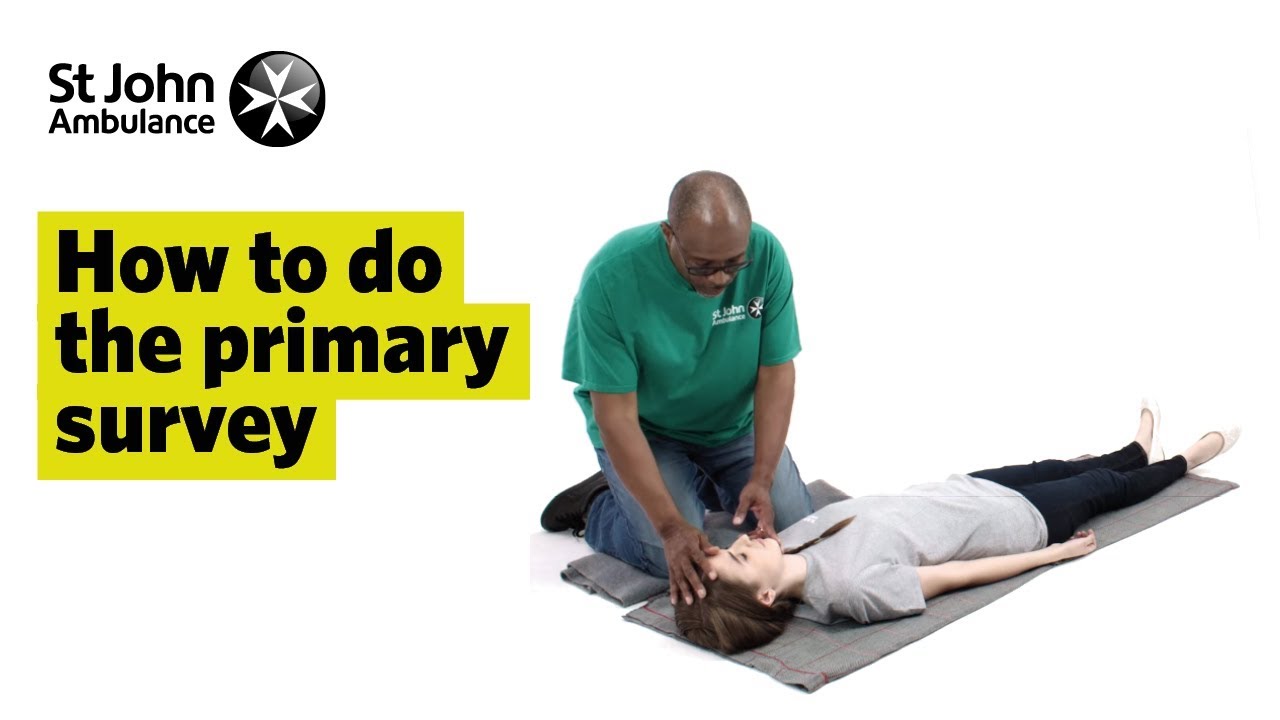
One of one of the most essential aspects of picking a first aid training course is making sure that it is approved by a reliable organization. Try to find programs that are acknowledged by popular bodies such as the Red Cross or St. John Rescue. These organizations set high criteria for training programs, guaranteeing that you get exact and current information.
2. Course Content
Different first aid training courses might cover differing degrees of material depending upon their emphasis and target audience. Prior to registering, meticulously assess the training course curriculum to ensure it covers the certain skills and expertise you're seeking. Search for courses that include mouth-to-mouth resuscitation direction, standard injury treatment, fracture administration, and other pertinent topics.
3. Duration and Format
Consider your timetable and availability when choosing a first aid course. Some programs provide adaptable choices, including on-line courses that allow you to find out at your very own pace. In-person programs may be performed over a couple of days or weekends, which can be suitable if you favor hands-on discovering and prompt feedback from instructors.
4. Teacher Qualifications
The high quality of training largely depends upon the know-how and qualifications of the instructors. Try to find training courses educated by knowledgeable specialists who have pertinent qualifications and useful experience in emergency situation treatment. This ensures that you get exact assistance and can ask concerns to make clear any kind of doubts during the training.
5. Course Reviews and Reputation
Check online reviews and reviews from previous participants to get a concept of the program's track record. Favorable comments from others that have taken the same course reflects its quality and performance. In addition, consider suggestions from pals, coworkers, or medical care professionals that have actually undergone similar training.
6. Hands-On Practice
First aid abilities call for functional application, so it's critical to choose a course that offers enough opportunities for hands-on method. Search for programs that incorporate simulations or situations to imitate real-life emergencies. Practical exercises strengthen academic knowledge and help construct self-confidence in applying first aid techniques.
FAQs concerning Choosing the Right Emergency Treatment Course
Q1: What is the difference in between a first aid program and a CPR course?
A1: While both emergency treatment and mouth-to-mouth resuscitation programs cover necessary life-saving abilities, an emergency treatment program normally consists of a broader range of subjects such as injury treatment, fractures, burns, and so on, while mouth-to-mouth resuscitation training courses concentrate particularly on cardiopulmonary resuscitation techniques.
Q2: Can I take an online first aid course?

A2: Yes, online emergency treatment programs are readily available and can be a practical choice for those with hectic schedules. Nonetheless, it's important to make sure that the online course is certified and provides chances for hands-on practice.
Q3: Are all first aid courses appropriate for childcare professionals?
A3: No, not all emergency treatment training courses provide specifically to childcare specialists. If you operate in the child care industry, look for training courses that are specifically created to satisfy the one-of-a-kind needs and demands of taking care of children.
Q4: How much time does it require to complete a first aid course?
A4: The duration of an emergency treatment course varies depending upon the degree of accreditation and the organization offering the training. Standard emergency treatment programs commonly range from 4 to 8 hours, while a lot more thorough programs may cover numerous days.
Q5: Can I come to be a qualified first aid trainer?
A5: Yes, numerous companies use train-the-trainer programs that enable individuals to come to be qualified emergency treatment fitness instructors. These programs commonly need prior qualification in first aid and appropriate mentor experience.
Q6: Exists an expiration day for first aid certifications?
A6: Yes, many emergency treatment certifications are valid for a particular period, typically in between 1 to 3 years. After that duration, people need to go through recertification or renewal programs to preserve their accreditation status.
Conclusion
Choosing the right emergency treatment training course is necessary for gaining the necessary skills and expertise to respond efficiently throughout emergencies. Take into consideration variables such as certification, course content, teacher qualifications, and hands-on technique chances when making your choice. By selecting a trusted and thorough training program, you can end up being outfitted with life-saving skills that can make a considerable difference in crucial situations. Remember, being prepared can conserve lives!